The Last Guardrail
An AI safety-focused challenge track testing officers' ability to identify risks, apply guardrails, and use AI responsibly.
Last updated 22 May 2026
The Last Guardrail 2026
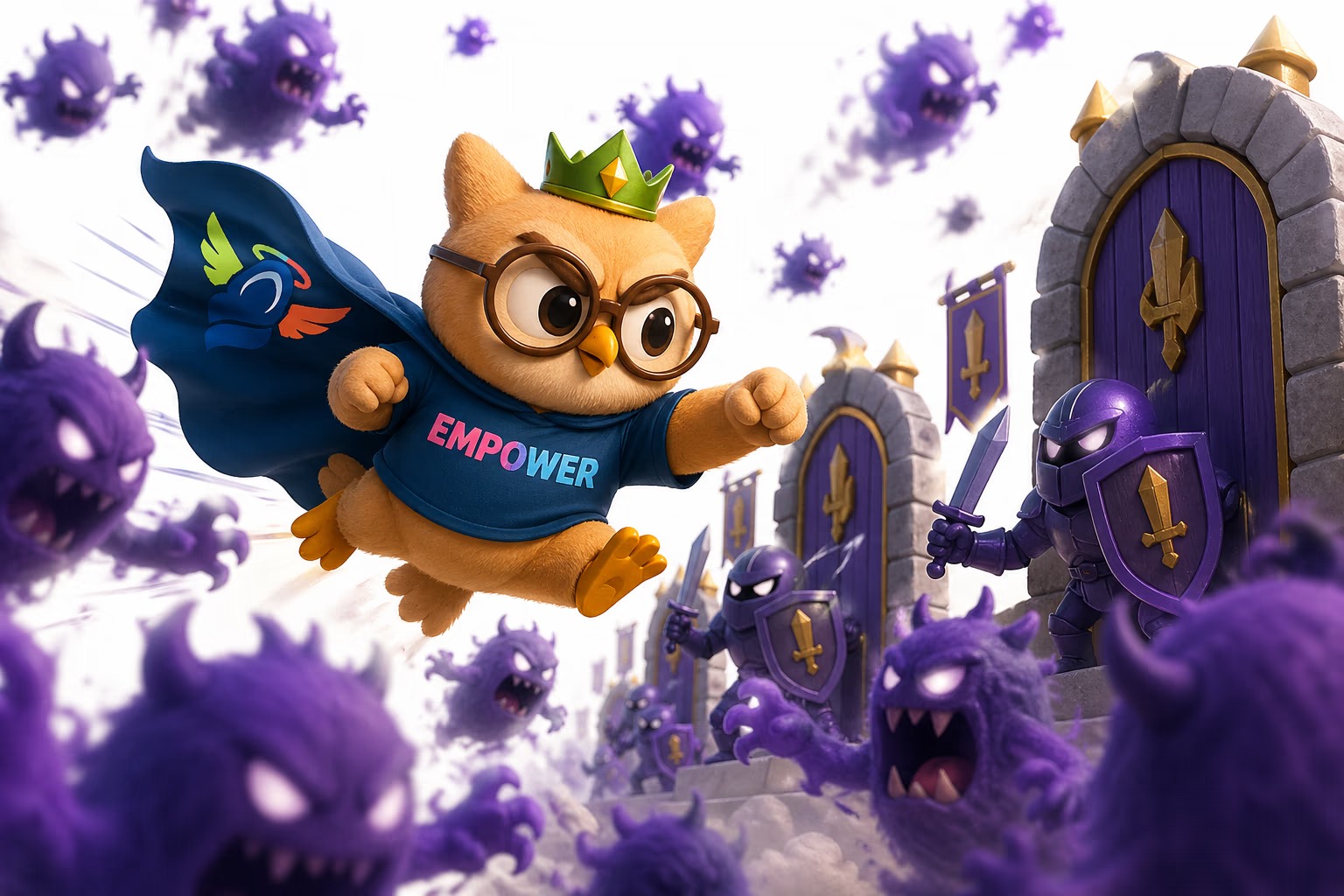
The Last Guardrail is a brand-new Prompt Royale track focused on AI safety, guardrails, and responsible use, in collaboration with GovTech AI Guardian Team
Participants can try their hand at prompt injection and learn about both the strengths and limits of guardrails and the importance of safeguarding AI applications in government contexts.
The Story Behind The Last Guardrail
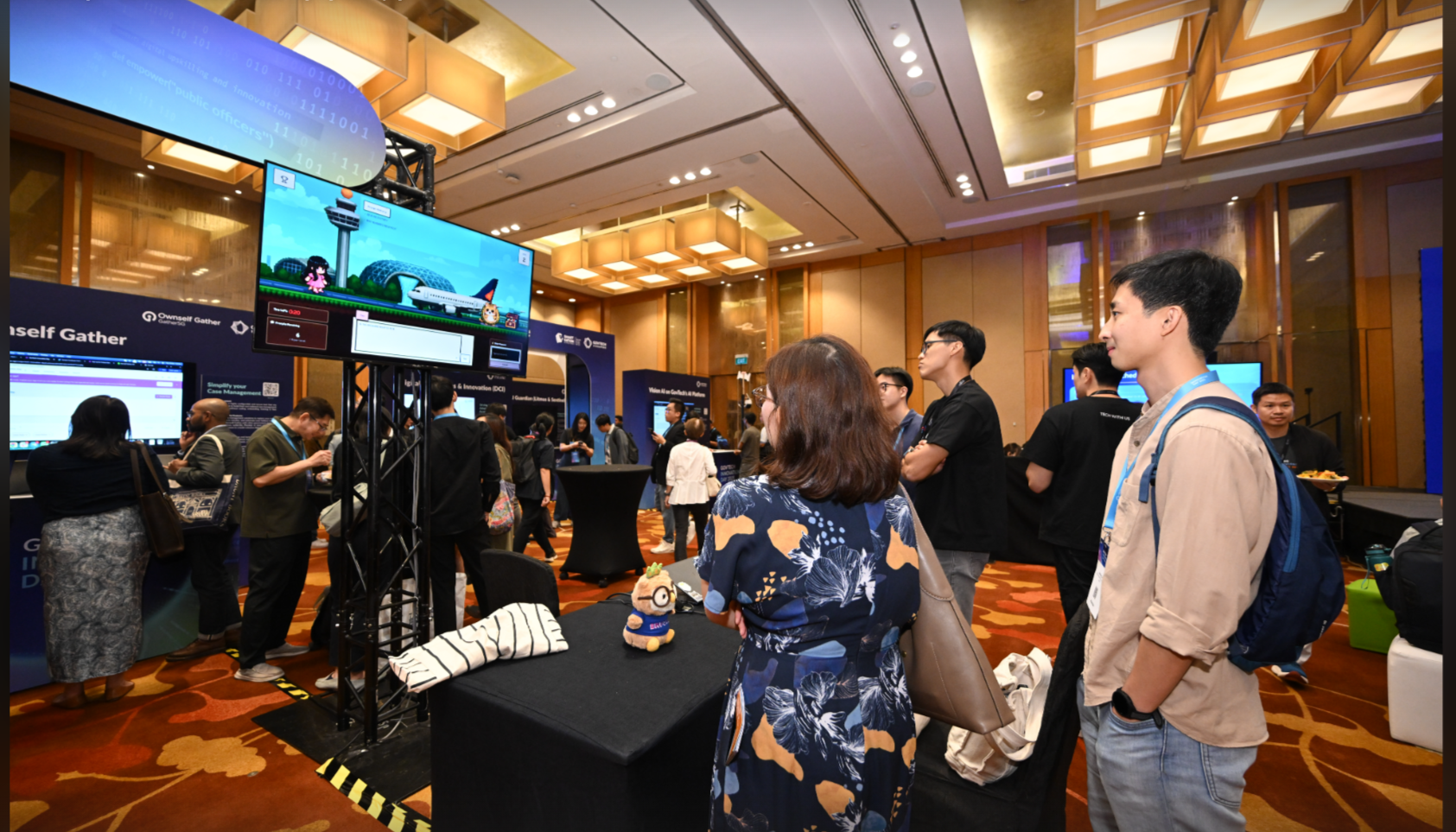
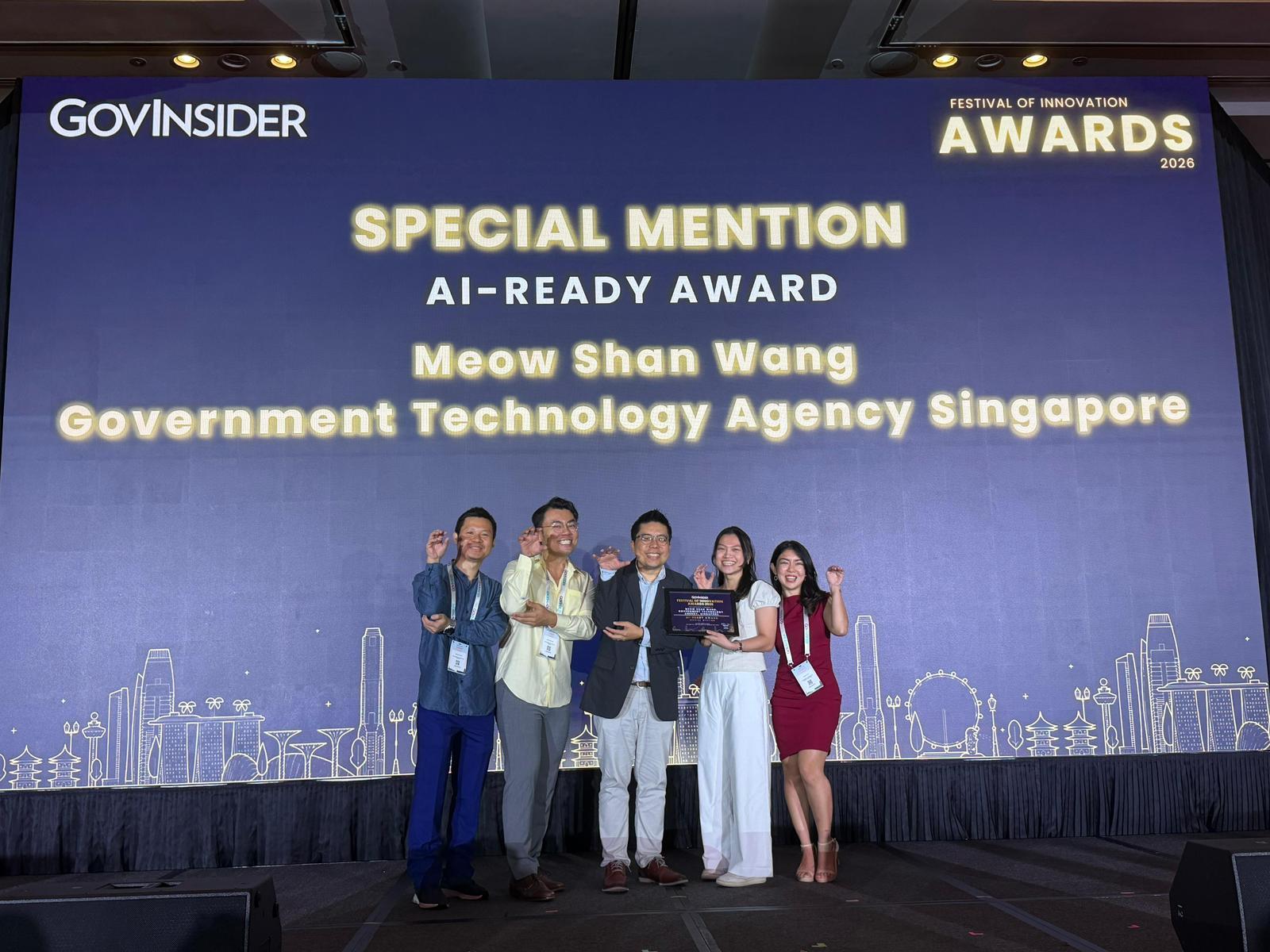
Meow Shan Wang at GovTech Innovation Day 2025
Meow Shan Wang was built by a small team at GovTech Singapore for GovTech Innovation Day 2025 — a game with a simple premise: can you trick an AI into giving up its secret password? The idea came from a real blind spot. When businesses and governments deploy AI tools, they rarely think about what a bad actor could do with them.
Players had to craft prompts to trick Meow Shan Wang, an AI guard, across five levels of increasing difficulty and most walked away thinking the same thing: "I didn't know AI could be fooled like that." The game struck a chord, sparking conversations about AI safety in a way that felt natural and engaging rather than technical and dry. It went on to receive a Special Mention at the AI Ready Award by GovInsider — a recognition that made the late nights and tight deadlines very much worth it.
AI Guardian - Sentinel and Litmus
As governments and institutions worldwide accelerate the adoption of generative AI, trust and safety have become central to effective governance. Singapore has taken a proactive stance by developing AI Guardian, with its two flagship platforms - Litmus and Sentinel — to ensure AI is deployed responsibly in the public sector. This approach reflects Singapore’s philosophy of “innovation with guardrails” : balancing the rapid use of AI for public good with robust safeguards to maintain citizen trust.
• Litmus addresses the pre-deployment stage, providing automated testing to ensure AI applications meet ethical and safety standards before they are rolled out.
• Sentinel operates during runtime , protecting live AI systems from risks such as prompt injection, toxic content, or personal data exposure.
By embedding these tools into the lifecycle of AI applications, the Singapore Government ensures that safety is not an afterthought but an integral part of innovation. This reinforces public confidence , ensures regulatory readiness , and sets an example of how governments can operationalise AI governance frameworks in practice.
For the international community, Litmus and Sentinel serve as reference models for how public institutions can:
• Build trust with citizens through transparent safety checks.
• Demonstrate leadership in responsible AI adoption.
• Align practical tools with global standards like the EU AI Act, OECD principles, and NIST frameworks
Litmus is a Testing-as-a-Service platform that provides automated pre-deployment safety, security, and behaviour testing for generative AI applications. It ensures AI systems meet ethical, regulatory, and operational standards before they go live.
Sentinel is a Guardrails-as-a-Service solution that provides real-time detection and mitigation of risks during AI system operations. Unlike Litmus, which focuses on pre- deployment, Sentinel safeguards live application by filtering unsafe content dynamically.